|
||||||||||||||||||||||||||||||||||||||||||||||||||||||||||||||||||||||||||||||||||||||||||||||||||||||||||||||||||||||||||||||||||||||||||||||||||||||||||||||||||||||||||||||||||||||||||||||||||||||||||||||||||||||||||||||||||||||||||||||||||||||||||||
|
||||||||||||||||||||||||||||||||||||||||||||||||||||||||||||||||||||||||||||||||||||||||||||||||||||||||||||||||||||||||||||||||||||||||||||||||||||||||||||||||||||||||||||||||||||||||||||||||||||||||||||||||||||||||||||||||||||||||||||||||||||||||||||
|
Interactive Tax Forms
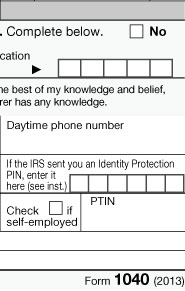
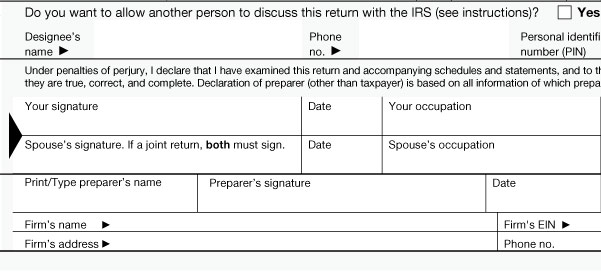
The Tax Policy Center has put together this interactive tool to tell you a little about what is behind the tax forms. What does each line mean? How many people make an entry? How does it affect revenues and the distribution of tax burdens across income categories? This inaugural version includes form 1040�the most commonly used return�along with Schedule A for itemized deductions. Over time, we will update information and add more forms. Click on a link to bring up a form. Then hover your cursor over a line to see basic information and click to bring up a box with additional information.
Line 38
Total income subject to tax before exemptions and either the standard or itemized deductions.Adjusted gross income in 2011 totaled $8.4 trillion, reported on over 145 million tax returns.
Line 39a
Taxpayers who are elderly and/or blind may claim additional standard deductionsIn 2011, 13 million taxpayers took an additional standard deduction, totaling close to $23 billion.
Line 39b
A married person filing separately may not claim the standard deduction if her/his spouse itemizes deductions. Dual-status aliens may claim the standard deduction only if they agree to pay tax on their worldwide income.In 2011, 730,000 thousand taxpayers reported being dual-status aliens or having a spouse who itemized deductions on a separate return. Line 40
Taxpayers may either claim the standard deduction or itemize specific deductions.More than 96 million taxpayers (68 percent) claimed the standard deduction in 2011, while 46 million taxpayers itemized. Total itemized deductions were substantially higher at $1.2 trillion than total standard deductions at $769 billion.
Line 41
Adjusted gross income (AGI) net of standard or itemized deductions.After subtracting either itemized or standard deductions, 127 million taxpayers had $6.6 trillion in income in 2011. Line 42
Taxable income is reduced by $3,900 for each taxpayer and qualifying dependent listed on line 6c. Total exemptions are reduced, however, for high-income taxpayers.In 2011, 137 million tax returns claimed an average of just over 2 exemptions per return, totaling more than $1 trillion.
Line 43
Taxable income equals AGI minus exemptions and either the standard or itemized deductions.In 2011, 109 million taxpayers had taxable income of $5.7 trillion.
Line 44
Most income is taxed under a progressive schedule of tax rates ranging from 10 percent to 39.6 percent. Capital gains and qualified dividends face lower rates: 0 percent, 15 percent, or 20 percent.In 2011, nearly 108 million tax returns owed a total of more than $1 trillion of income tax before AMT and credits.
Line 45
Some taxpayers, particularly those who benefit from specific tax preferences, must pay the alternative minimum tax (AMT), which is calculated using a different measure of income and different tax rates than the regular income tax.Over 4 million taxpayers owed the alternative minimum tax, totaling almost $30.5 billion.
Line 46
The sum of regular tax and AMT is tax liability before taking account of credits.Nearly 108 million tax returns owed $1.1 trillion in combined taxes and alternative minimum tax before credits in 2011.
Line 47
Subject to limits, tax liability is reduced by the amount of taxes paid to foreign governments on income earned outside the United States.In 2011, almost 7 million taxpayers reported $16.5 billion of foreign tax credits.
Line 48
Taxpayers who incur childcare expenses for children under age 13 so parents can work or attend school may claim a tax credit of up to $2,100, depending on their income and number of children.In 2011, more than 6 million tax filers claimed child and dependent care credits totaling $3.4 billion.
Line 49
Taxpayers who pay for post-secondary education may claim either the American Opportunity Tax Credit (AOTC) or the lifetime learning credit (LLC) for each qualifying student. The maximum AOTC is $2,500 (of which $1,000 is refundable), and the LLC can be as much as $2,000 (none of which is refundable).In 2011, 12 million taxpayers claimed education credits of $12.4 billion.
Line 50
Taxpayers who meet income limits may claim a nonrefundable credit of up to 50 percent of up to $2,000 contributed to qualified retirement plans.In 2011, more than 6 million taxpayers claimed $1.1 billion in tax credits for retirement savings contributions.
Line 51
Taxpayers may claim a tax credit of $1,000 for each qualifying child under age 17. The credit phases out for high-income families and is nonrefundable, but taxpayers may claim the additional child tax credit, which is refundable, on line 65.In 2011, 23 million taxpayers took the child tax credit, valued at $28 billion.
Line 52
Taxpayers may claim two tax credits for qualifying energy-saving improvements made to their homes: the Residential Energy Efficient Property credit and the Nonbusiness Energy Property credit.In 2011, 3.6 million taxpayers reported residential energy credits of $1.7 billion.
Line 53
Taxpayers claim all other credits on this line, including the general business credit, the mortgage interest credit, the adoption credit, and the credit for the elderly or disabled.In 2011, taxpayers claimed a total of nearly $3.2 billion of other credits.
Line 54
Total nonrefundable tax credits. These credits may reduce tax liability to zero but cannot result in payments to taxpayers in excess of tax payments.More than 46 million tax returns claimed one or more credits in 2011, totaling more than $66 billion. Line 55
Tax liability net of nonrefundable credits. This value cannot be less than zero.After credits, 95 million taxpayers owed a total of $1 trillion in taxes in 2011. Line 56
Self-employed people must pay Social Security and Medicare taxes on their income.Over 18 million taxpayers reported self-employment tax of more than $46 billion in 2011.
Line 57
Taxpayers with income subject to Social Security or Medicare taxes but on which those taxes were not withheld calculate and pay them on their income tax returns.In 2011, more than 150,000 tax returns reported a total of nearly $33 billion in unreported Social Security and Medicare taxes.
Line 58
Taxpayers who made early withdrawals from retirement accounts, who contributed more to those accounts than allowed, or who failed to take required distributions from those accounts must pay taxes on the amounts involved.In 2011, 5.7 million taxpayers reported additional tax on retirement plans of $5.7 billion.
Line 59a
Taxpayers who employ household workers pay Social Security, Medicare, and unemployment insurance taxes on their income tax returns, if applicable.In 2011, 206,000 tax returns reported $940 million in household employment taxes on Schedule H.
Line 59b
Taxpayers who received a first-time homeowners credit in 2008 and those who received such a credit after 2008 but did not live in the home for three years must repay some or all of the credit.In 2011, more than 700,000 tax returns reported nearly $450 million in repayments of first-time homebuyer credits.
Line 60
All other taxes, including the Additional Medicare Tax and the Net Investment Income Tax imposed by the 2010 Affordable Care Act.Over 1 million taxpayers reported $450 million in other taxes paid in 2011. Line 61
Total tax liability before subtracting refundable tax credits.In 2011, the total tax for 104 million tax returns was over $1.1 trillion. Line 62
Taxes withheld by employers from earnings or by investment managers from investment income.More than 126 million tax returns reported federal income tax withholding totaling $970 billion in 2011.
Line 63
Taxes paid either through estimated payments during 2013 and in January 2014, plus any refund from a taxpayer's 2012 return that was applied to 2013 taxes.Over 9.2 million taxpayers made estimated tax payments in 2011 totaling $233 billion.
Line 64a
A refundable credit available to low- and moderate-income workers, the amount of which depends on marital status, number of children, earnings, and total income.In 2011, nearly 28 million taxpayers received almost $63 billion in the earned income tax credit.
Line 64b
Members of the military who received nontaxable combat pay may elect to include that pay in calculating the earned income tax credit.Slightly more than 17 thousand tax returns elected to report a total of $189 million of nontaxable combat pay in order to qualify for larger earned income tax credits. Line 65
Taxpayers who owe too little tax to receive the full $1,000 per child value of the child tax credit may claim any excess as a refundable additional child credit of up to 15 percent of their earnings in excess of $3,000.Over 21 million taxpayers reported $28.6 billion in the additional child tax credit in 2011.
Line 66
A taxpayer with too little tax liability to claim his/her full American Opportunity Tax Credit (AOTC) on line 49 may claim the excess (up to 40 percent of his/her total credit) as a refundable credit.Roughly 13 million taxpayers claimed refundable AOTC totaling $11.5 billion in 2011.
Line 67
Line 68
Taxpayers who request automatic extension of time to file their tax returns must still pay the full tax due tax by April 15 to avoid penalties and interest.Over 1.5 million taxpayers paid more than $64 billion when filing their requests for extensions.
Line 69
Social Security tax paid on earnings in excess of $113,700 for workers with more than one employer.Approximately 1.3 million taxpayers reported excess Social Security and tier 1 railroad retirement (RRTA) tax withheld of more than $1.6 billion.
Line 70
Taxpayers may claim a credit for taxes paid on fuels used for nontaxable purposes, such as off-highway business use.In 2011, over 480,000 taxpayers reported a credit for federal tax of fuels of about $355 million.
Line 71
Taxpayers report all other tax payments on line 71.In 2011, more than 200 thousand tax returns claimed a total of more than $2.6 billion in various other credits.
Line 72
Total tax payments and refundable tax credits.Total reported payments across nearly 137 million tax returns were almost $1.4 trillion. Line 73
Amount of tax paid in excess of tax owed. The taxpayer may apply some or all of the excess to 2014 taxes and receive the remainder as a tax refund.In 2011, more than 116 million taxpayers were owed refunds totaling nearly $375 billion.
Line 74
Amount of excess tax payment that the taxpayer elects to receive as a refund.In 2011, more than 113 million taxpayers requested refunds that totaled $325 billion.
Line 74
Taxpayers may receive refunds either by mailed check or by direct deposit to a bank account.In 2011, 71.6 million taxpayers�63 percent of those receiving tax refunds�chose to have their refunds deposited directly into bank accounts. Line 74
Taxpayers may receive refunds either by mailed check or by direct deposit to a bank account.In 2011, 71.6 million taxpayers�63 percent of those receiving tax refunds�chose to have their refunds deposited directly into bank accounts. Line 74
Taxpayers may receive refunds either by mailed check or by direct deposit to a bank account.In 2011, 71.6 million taxpayers�63 percent of those receiving tax refunds�chose to have their refunds deposited directly into bank accounts. Line 75
Taxpayers may elect to apply some or all of any excess tax payments to their 2014 estimated taxes.Roughly 4 million taxpayers elected to apply a total of $50 billion in overpayments in 2011 to their estimated taxes for 2012.
Line 76
Amount of tax liability in excess of tax payments; payment to the US Department of Treasury is due by April 15.In 2011, 23.7 million tax returns owed taxes totaling more than $105 billion.
Line 77
Taxpayers whose withheld and estimated taxes are too much less than their tax liability may owe a penalty.Total tax penalties in 2011 were $768 million, spread out over 6.7 million households.
|
||||||||||||||||||||||||||||||||||||||||||||||||||||||||||||||||||||||||||||||||||||||||||||||||||||||||||||||||||||||||||||||||||||||||||||||||||||||||||||||||||||||||||||||||||||||||||||||||||||||||||||||||||||||||||||||||||||||||||||||||||||||||||||
© Urban Institute, Brookings Institution, and individual authors, 2013. Site Map | Privacy Policy | Support TPC | Contact Us |
||||||||||||||||||||||||||||||||||||||||||||||||||||||||||||||||||||||||||||||||||||||||||||||||||||||||||||||||||||||||||||||||||||||||||||||||||||||||||||||||||||||||||||||||||||||||||||||||||||||||||||||||||||||||||||||||||||||||||||||||||||||||||||